The train, a piston in a cylinder, forces a column of air ahead of it.
Life: one makes a difference for someone; one’s life is different because of someone. In both cases, it’s about being thankful.
Sept. 29, 1972, You’re standing on the platform of Queens Plaza station in NYC, waiting for the express.
It’s due any minute.
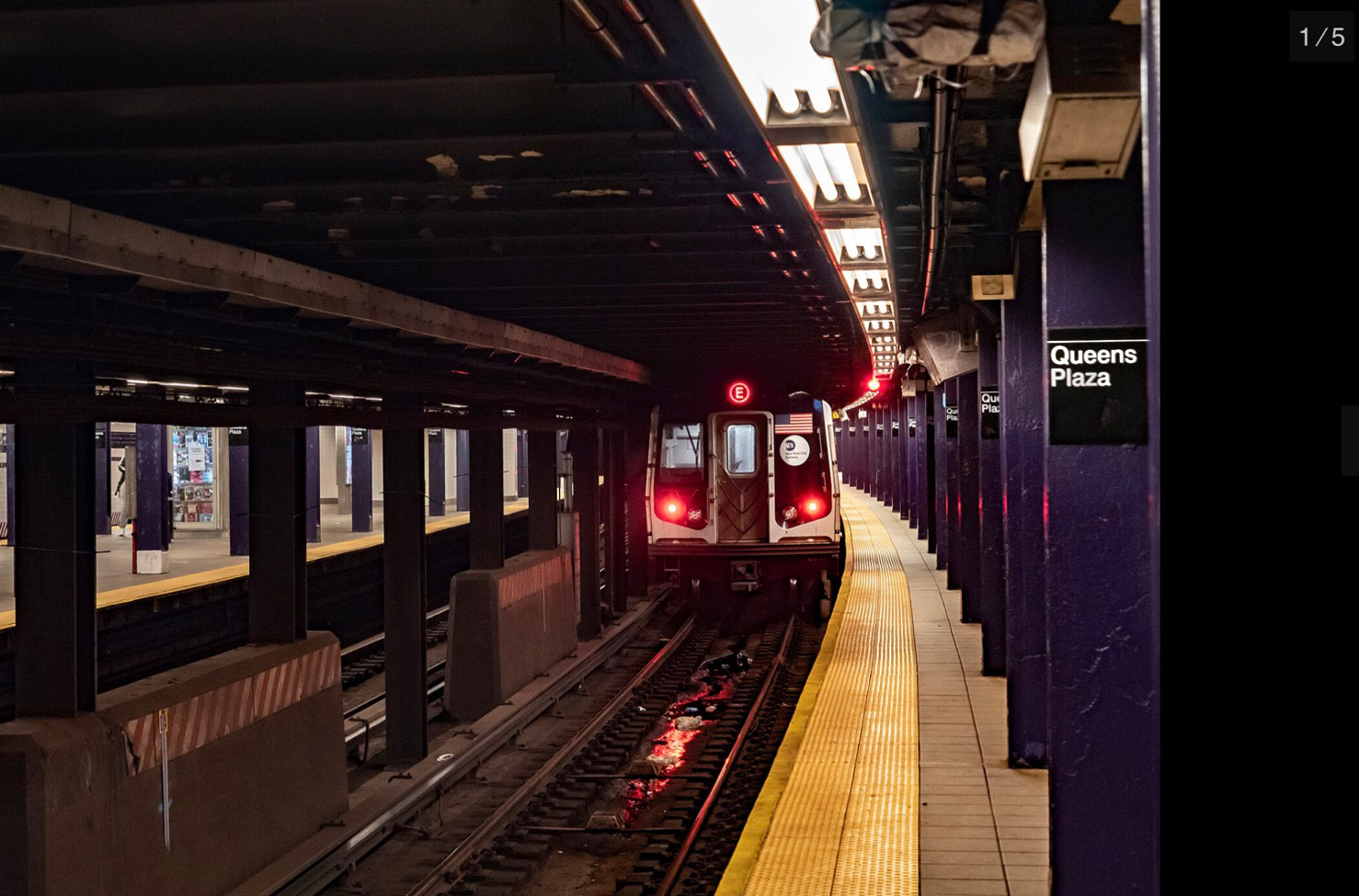
You see a man fall onto the tracks. You and others run toward him, but you know the train is due. You hear a distant rumble in the tunnel.
Apprehension, then fear, arises. What can you do?
You see a cop come off the train on the opposite side of the station. He jumps onto the tracks.
You’ve never felt such relief.
The cop crosses two express tracks, but from the tunnel, the rumble becomes a roar. The cop lifts the man up to the edge of the platform. You and others grab the man and hoist him to safety.
But the cop is still on the track.
The roar grows louder. The train, a piston in a cylinder, forces a column of air ahead of it.
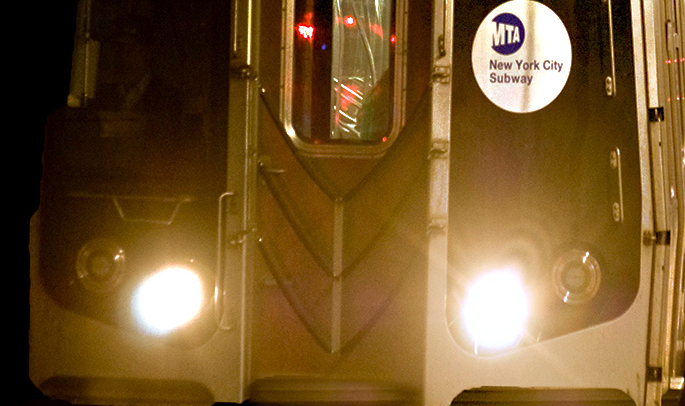
You hear the roar, feel the wind, and you see the cop’s hands grab the platform’s edge. Your hands grab his arms; others grab his legs, his gunbelt. You all pull.
The train screams as steel wheels skid against steel. You haul the cop up and onto the platform—just as the train passes.
A captain on the northbound platform reported it was the bravest thing he’d ever seen.
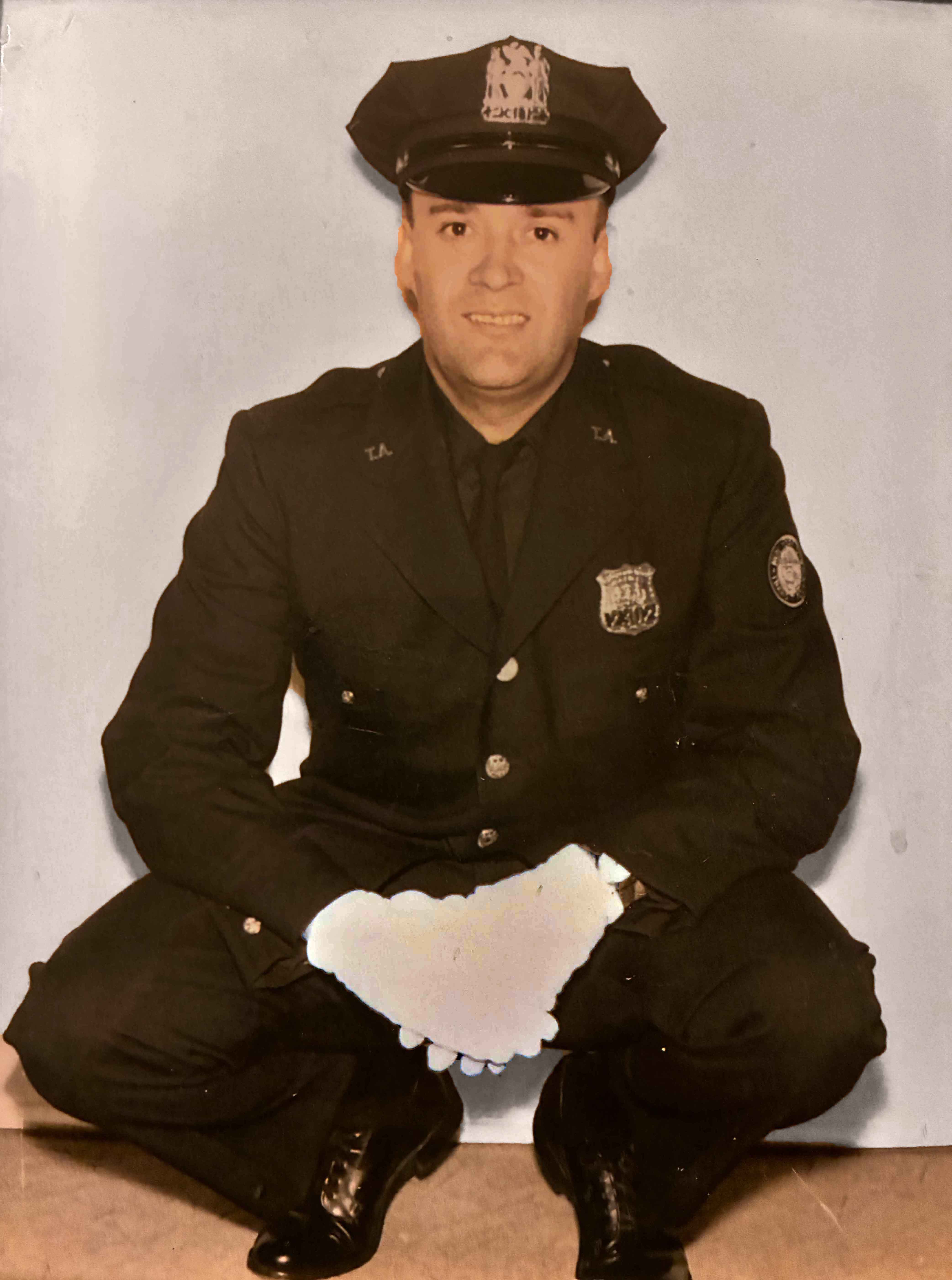
The cop, Don Kerrigan, like most of us with years on the job, was no longer a lean bundle of kinetic energy. So, only with the help of those hands, did he make it home to his family.
I drove him home.
Don and I carpooled, and when he told me about his night, he said his most vivid memory was lying alongside the train as it blurred past, inches from his face.
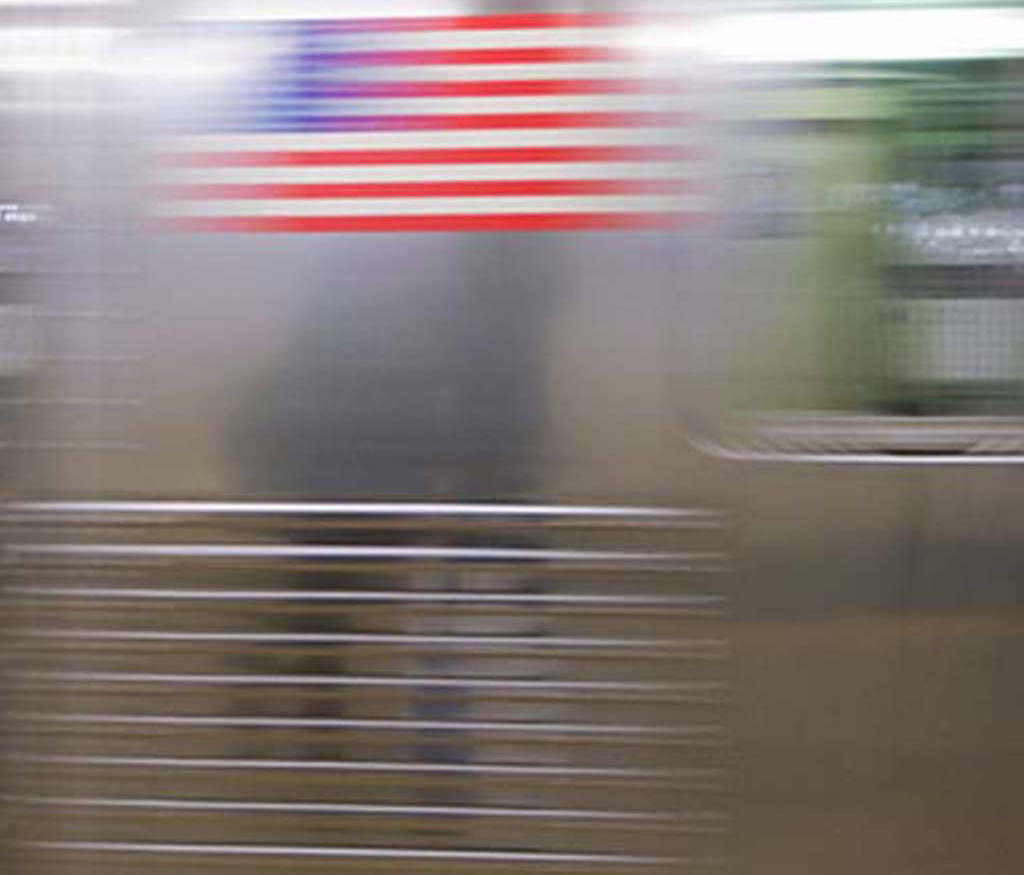
That was an unequivocal act of heroism.
Donald Kerrigan, now deceased, made a difference while he lived. Others, too, made a difference that day.
I wrote before of Don’s heroic rescue and an under-train incident—at the same station—on the same track.
To see it, click here: The Dash of Life.
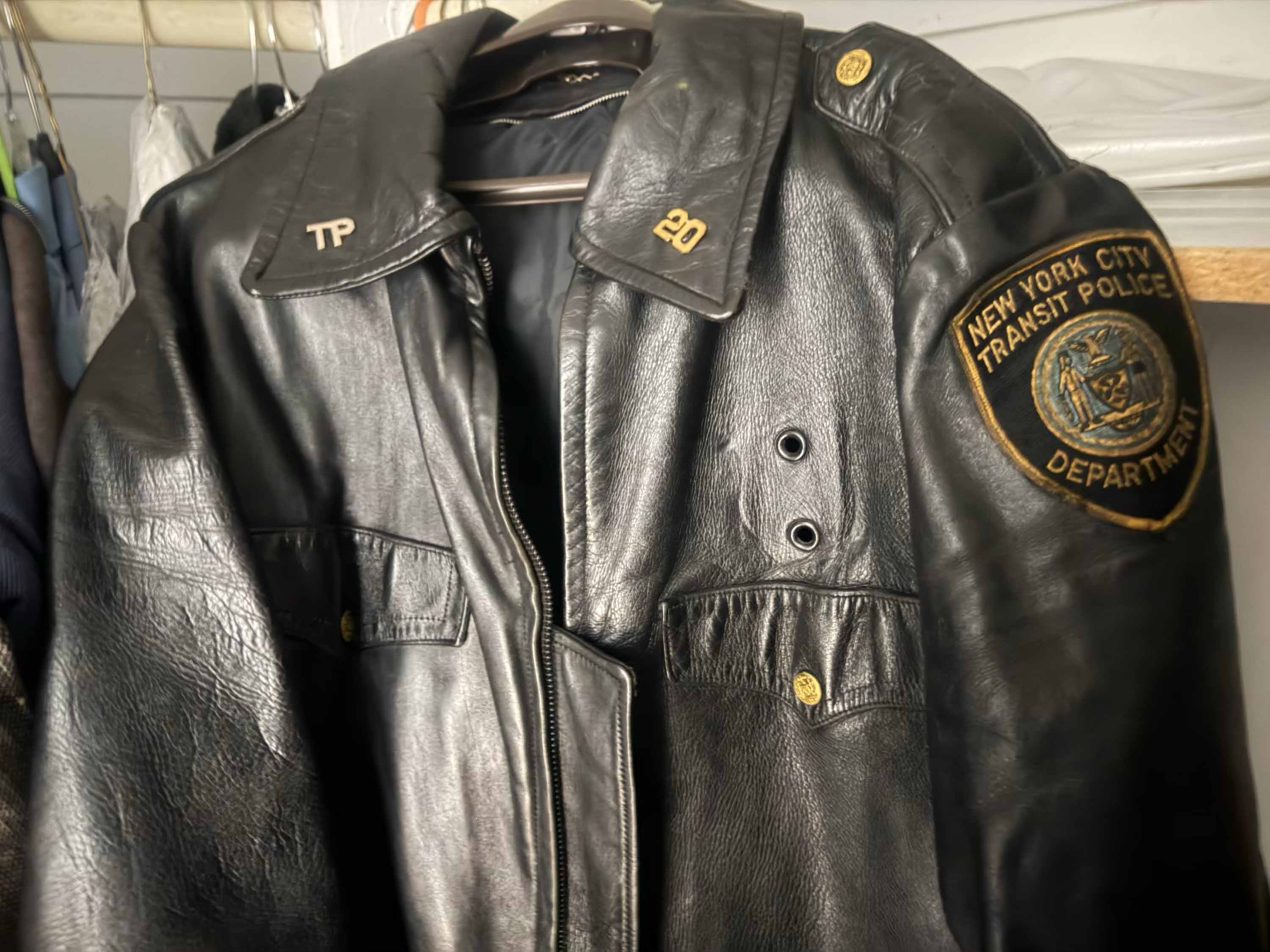
I was a NYC Transit cop for twenty-six years. I’ve been under trains to help people, as did many of my fellow officers and other first responders. Our radio would direct us to a report of a “man under.”
Yes, people sometimes survive a fall into a train’s path. And when you can help, it feels good to be involved in making a difference.
Recently, in my journals, I came upon a case where a baby’s life was at stake.
In the mid 1980s, the NYC Transit Police and NYPD were separate departments. Luke Woods and I, along with ten other Transit cops, were reassigned from Transit to the NYPD Warrant Division.
On Nov. 2nd, 1989, with Thanksgiving on the horizon, I was assigned a warrant for two parents and their two-month-old baby. The charges were child neglect.
I had never been assigned a warrant with such urgency personally expressed upon it:
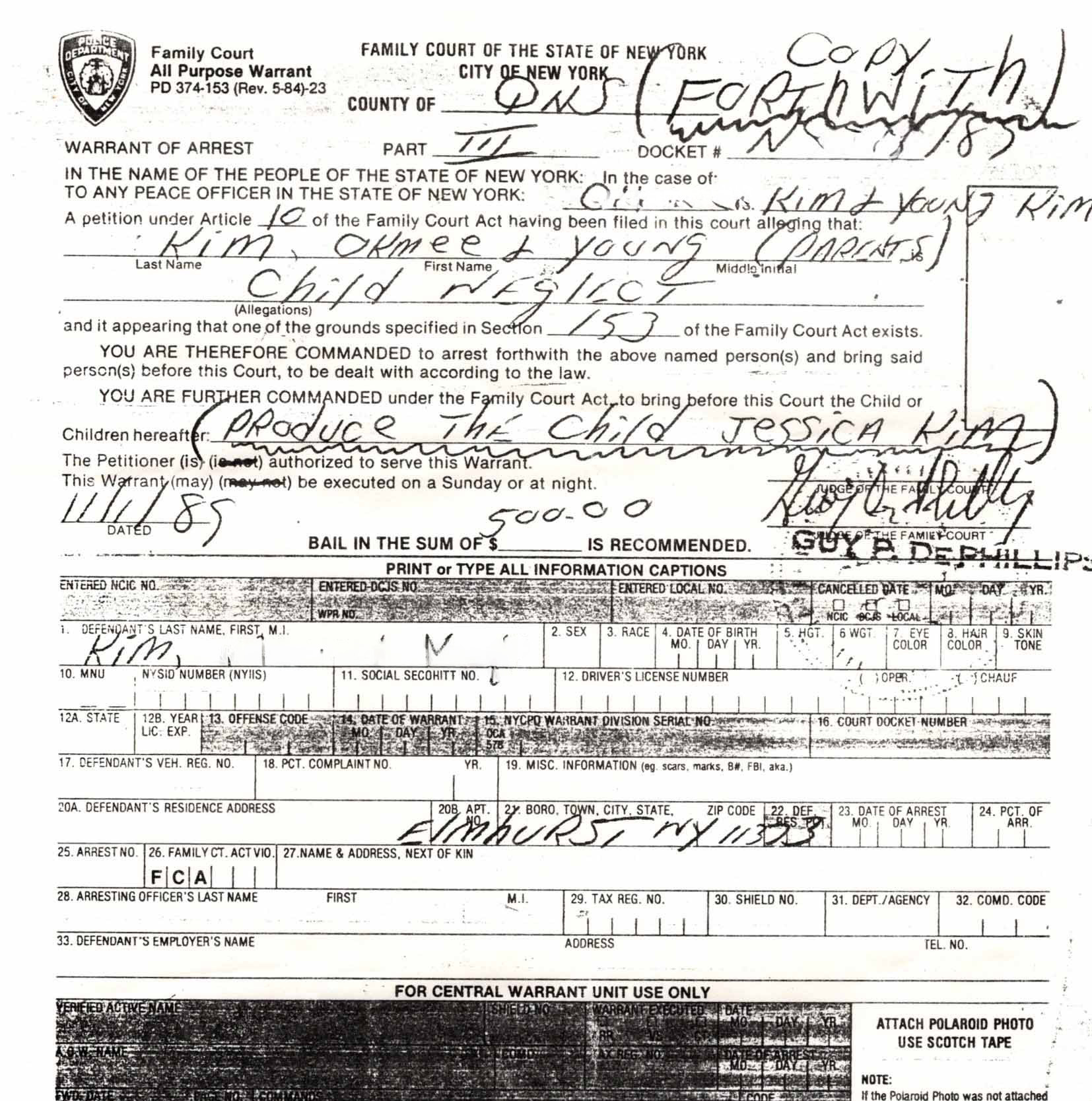
We were informed that if the baby, Jessica Kim, did not receive an operation, she could die within a week. Her parents, Mr. and Mrs. Kim, were preventing the baby from receiving the operation.
Jessica was born with biliary atresia, a disease of the liver.
I spoke with Dr. Weinstein of Long Island Jewish Hospital, who told me the baby had a deteriorating canal between the liver and the intestines. An operation was scheduled for October 31st, but the family did not show.
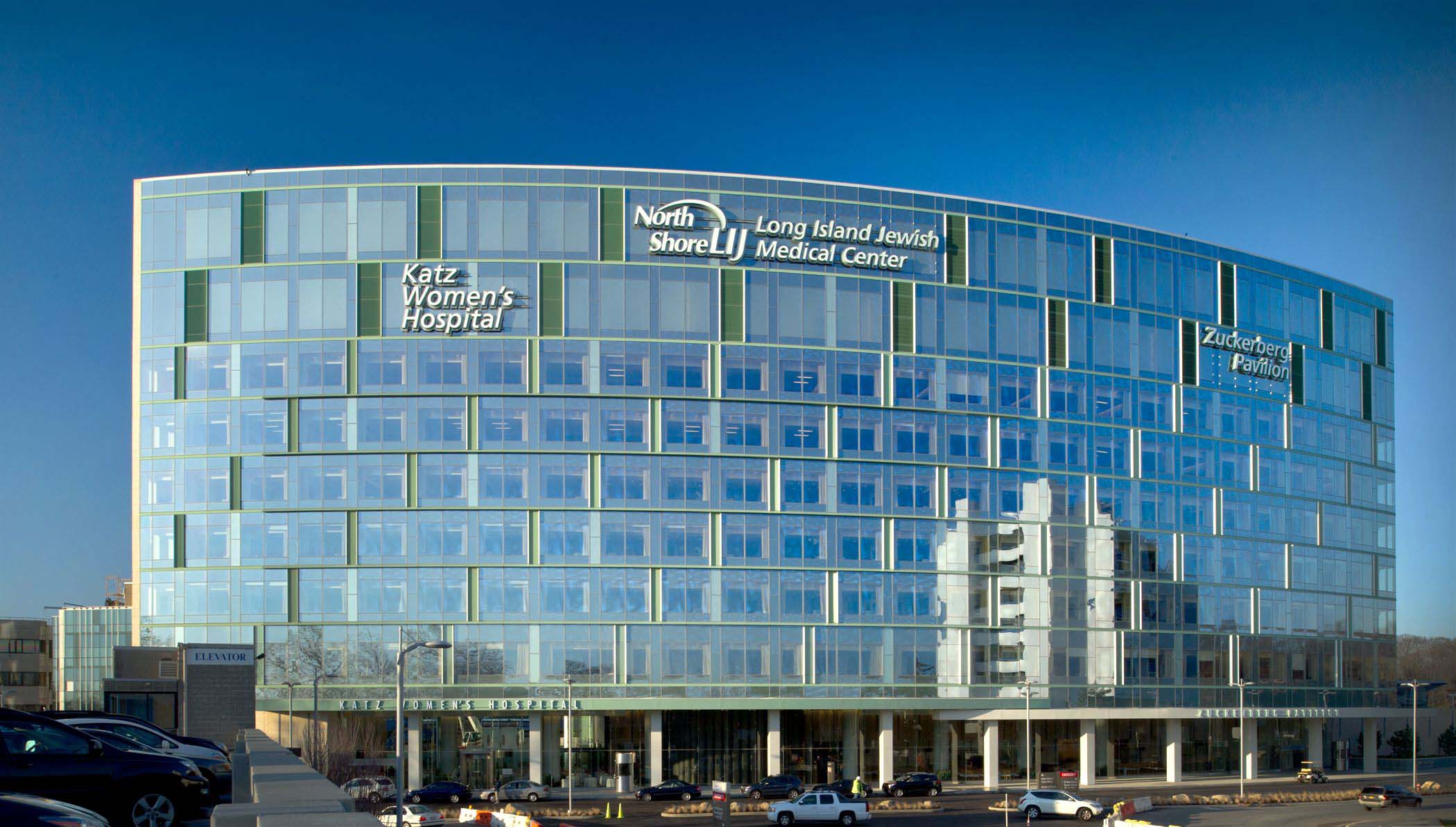
Dr. Weinstein explained how time was critical:
- If the child was operated on within two months of birth, she had a good chance of living a long life.
- If the operation was performed after the two months, she would likely live only two years.
- If not operated on, she would die.
Jessica, born Sept. 4th, would be two months old in two days.
At the Kims’ Elmhurst, NY apartment building, neighbors, when told of the baby’s plight, were enthusiastic to help. One neighbor later told my partner Luke that she watches their window nightly to see if a light goes on. These neighbors expressed the urgency I’d seen on the warrant.
Residents across the hall from the Kims said they heard religious chanting coming from the Kims’ apartment last week, then nothing.
The building’s super said he often saw Mr. Kim carrying a Bible while taking his family to church in the evening. But not lately.
I called Mr. Kim’s ex-wife, Ms. Rhee, at her job. She, incredibly, was a nurse in the Nursery Intensive Care Unit at Elmhurst Hospital.
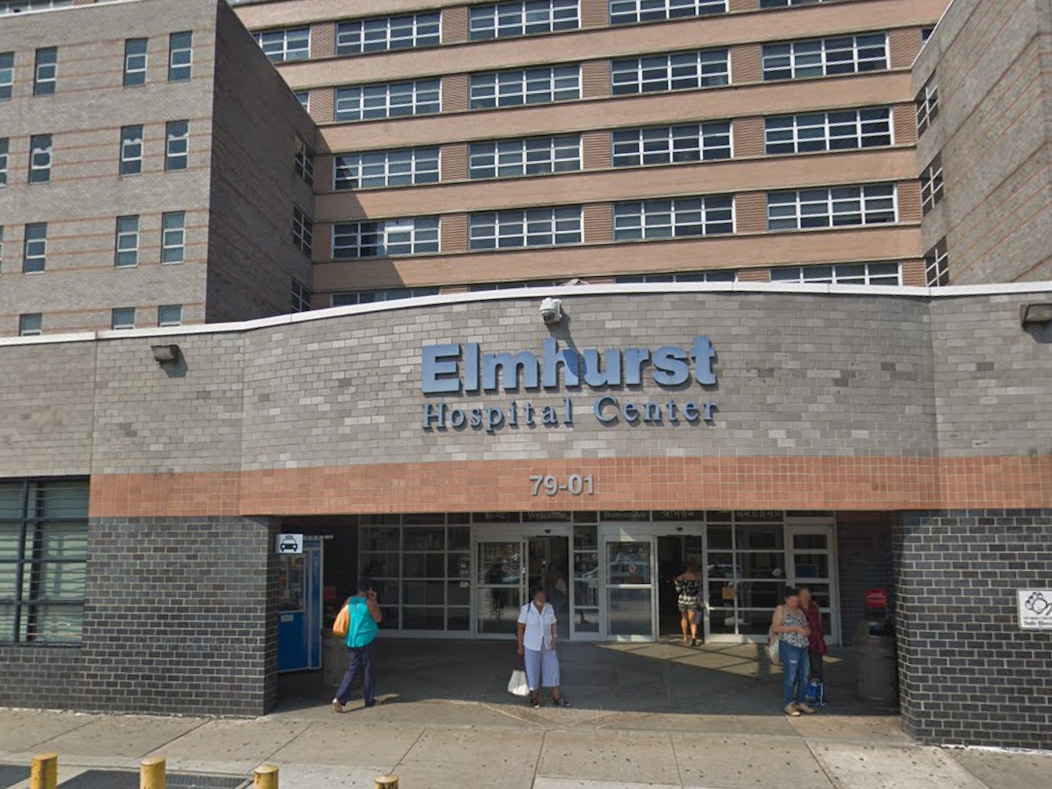
Yes, a woman of medical science—specific to the type of case at hand. Hallelujah!
Ms. Rhee said the Kims were convinced by unknown relatives to flee with the baby. They fled to Ohio.
I spoke with the social worker in the case who said the Kims’ relatives told the parents that prayer over the child and Asian medicine were all that was needed.
Good news: Dr. Kessler at Long Island Jewish Pediatrics called to say Mr. Kim called and said he would be back in New York with Jessica tomorrow, Nov. 3rd.
Bad news: Dr. Weinstein called me and said Mr. Kim called again and had changed his mind. He wanted more time.
Dr. Weinstein told him that was impossible. He responded that he had seen yellow babies before and that it was just a little jaundice; it would clear up. Dr. Weinstein told him the baby would die without the operation. Mr. Kim hung up.
Ms. Rhee called and gave Luke a phone number. It was in Youngstown, Ohio, but it was unlisted.
I called Youngstown PD and spoke with Lt. Mylott. He said Bell Telephone, when asked by police about an unlisted number, were “testes thumpers,” or words to that effect.
Mylott said we would need a subpoena for an unlisted number, and that would take time.
We had no time.
But Lt. Mylott gave me an early Christmas gift:
He said in Ohio, when phones are installed on the same day in adjacent residences, the numbers are sometimes consecutive. He said the Kim case telephone number ending in 85 might be next door to a number ending in 84, which was a health spa in Liberty, Ohio.
I called Chief Dilulla of the Liberty, Ohio PD and gave him the details.
Their professional warrant execution was well manned: Liberty Chief Dilulla, Sgt. Huff, Officer Riwniak, and Sgt. Martin, of the Youngstown police, responded. A woman there took them to the Kim residence.
Chief Dilulla called me and said they now had both parents and the child. They had their bags packed and said they intended to return to NY voluntarily.
The Kims could not be trusted; they were arrested, and the baby was taken to a local hospital.
The Kims posted bail, and the baby was brought back to NY and had the operation.
From the Youngstown Ohio Vindicator:
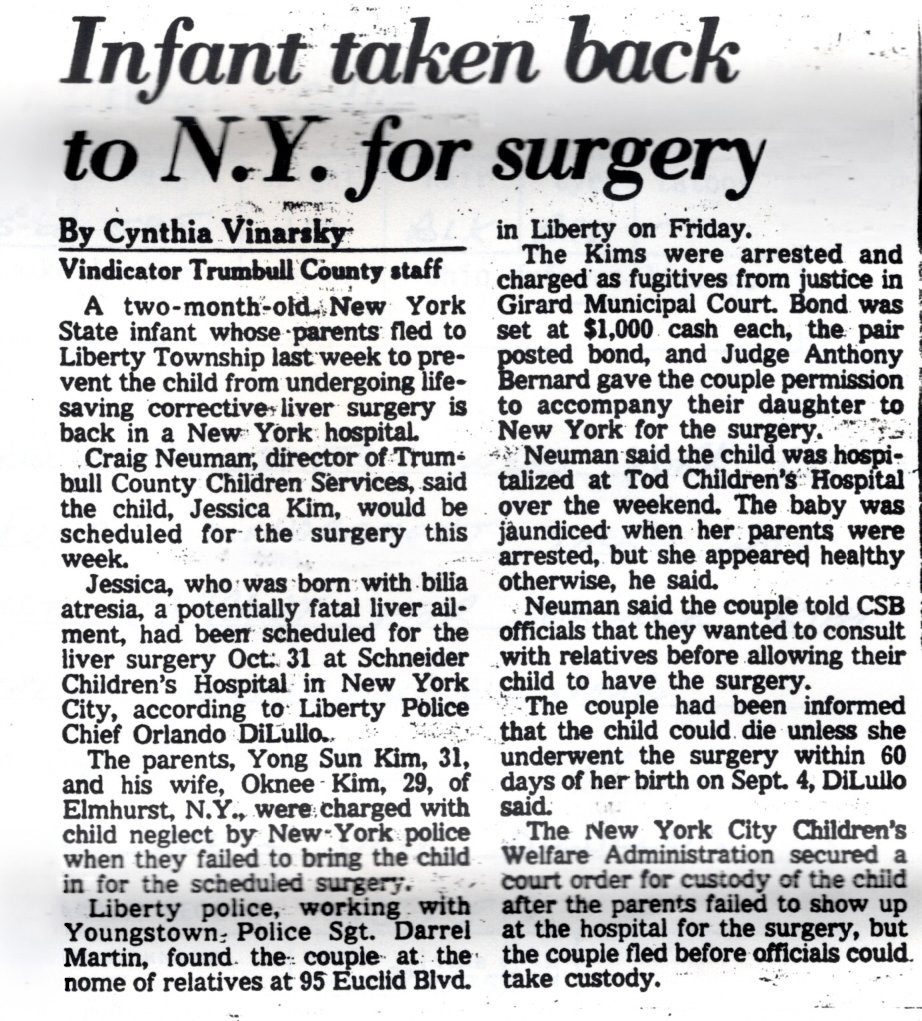
On Nov. 6, 1989, it was now two months and two days since Jessica’s birth. I called Long Island Jewish Hospital:
Jessica was out of Intensive Care and was doing well. The Kims visited daily and appeared to staff to be wonderful, caring parents.
The Kims apparently loved Jessica. They just didn’t trust the medical system, preferring their extended family’s cultural beliefs instead.
Yes, cultural beliefs can cause death. Sometimes, on this planet—many, many deaths.
This rescue wasn’t a heroic act, but Luke and I, with the help of many, gave Jessica a chance. And that’s fantastic to remember.
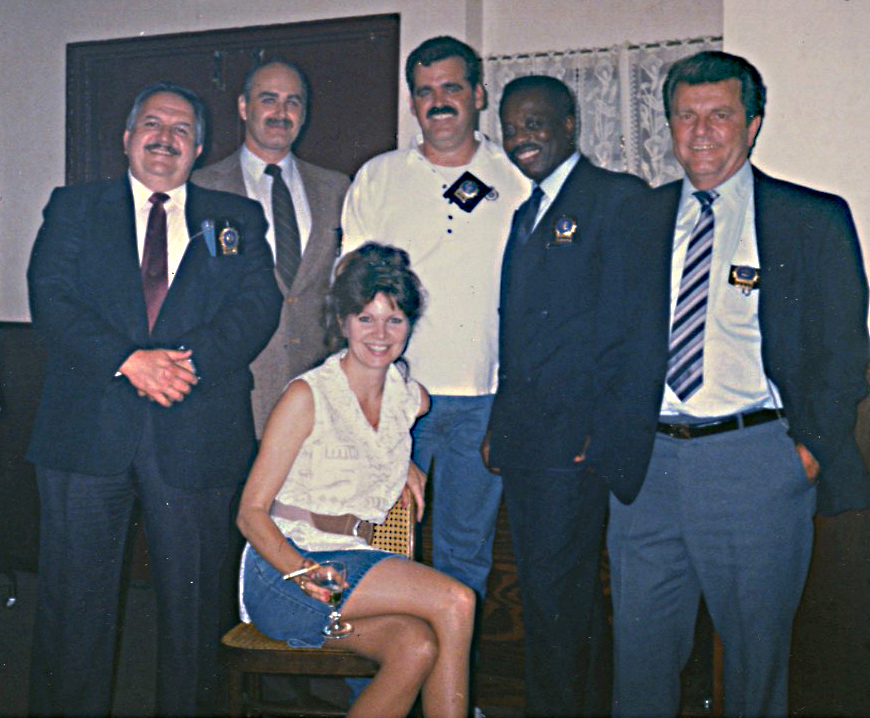
I couldn’t reach the principals in this case.
I don’t know where Jessica Kim is; she’d be 37. Maybe she’s making a difference herself.
In 1989, Jessica was entering the springtime of her life. And this Thanksgiving, retired and in the autumn of my life, I remember Jessica.
We can all make a difference, even if it isn’t as dramatic as depicted on these pages. And the differences will live on long after we’re gone.
We can lend a hand by calling 911, Child Protective Services, or other interventions that can save lives. It can have a similar result as the hands of Don Kerrigan when he lifted a man to safety, or the hands that reached to lift Kerrigan from the subway track.
I could reach Don Kerrigan’s family.
Don’s wife, Belma, in Florida, recalled Don rescuing the man. When she said to me, “He did it when the train was coming!” it sounded like she was reliving the night.
Don’s daughter, Denise, also recalled her Dad’s rescue. She said at the time, “I was in third grade. It was one of many moments in my life I’ve been so proud of my Dad.” She took a newspaper article to school. Her classmates wrote notes to her dad. If the family can recover those items, they will appear here later.
Feel Don’s happiness in this short video his family provided. Turn the sound up:
K E R R I G A N—that’s him.
Be well,
Lee,
Shedding a little light Wherethesundontshine
Please see my sunnyside photo essays: Leebythesea
If you prefer, no need to give a name or an email to make a comment below:
Categories: being thankful

